New Genetic Data Puts Mashpi’s Cloud Forest Among the Americas’ Top Biodiversity Hotspots
Ecuador’s eco-lodge helped uncover 8,000 genetic units of insects and arachnids, confirming that travelers explore the same forest researchers are still mapping via DNA barcoding
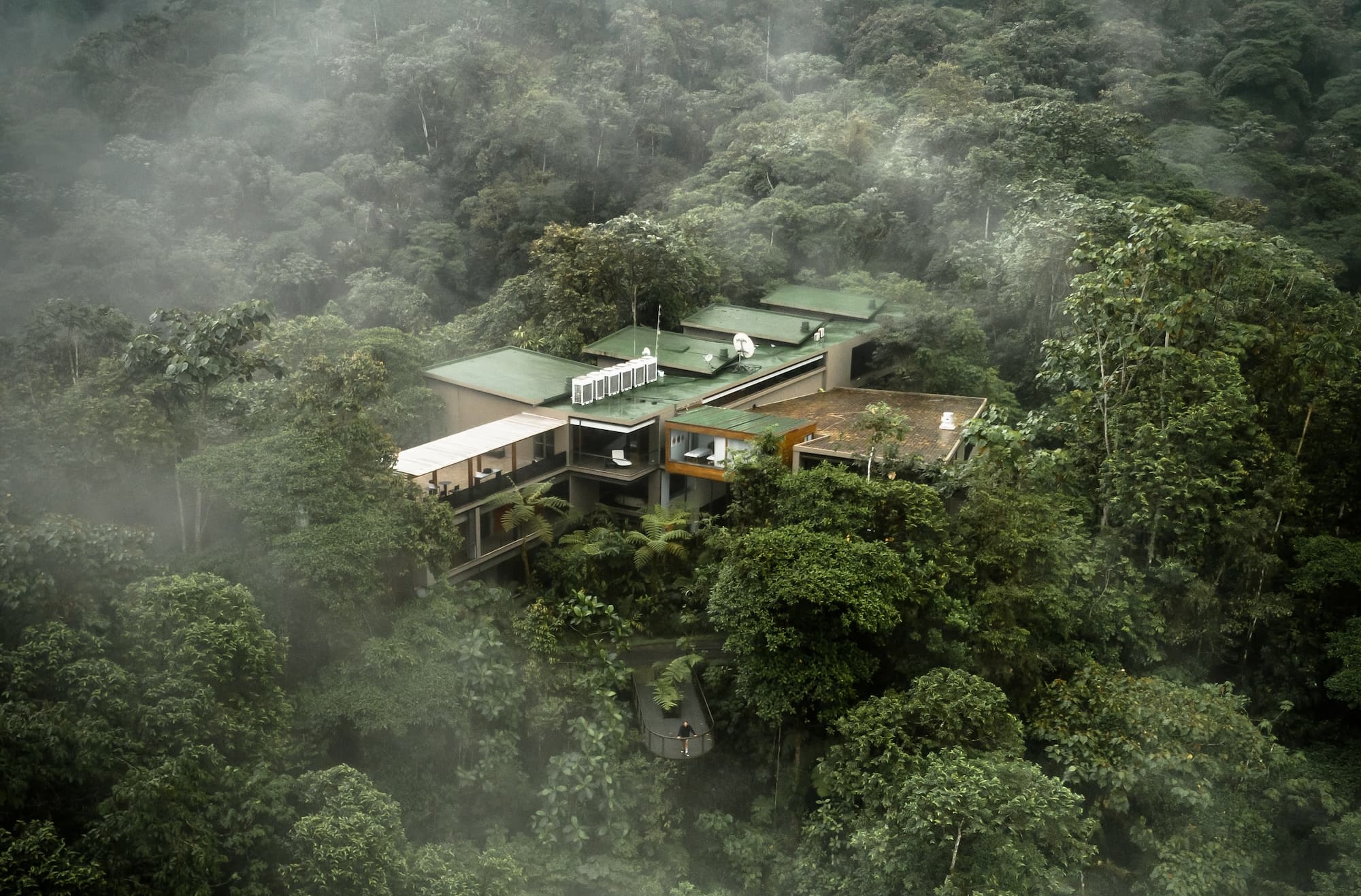
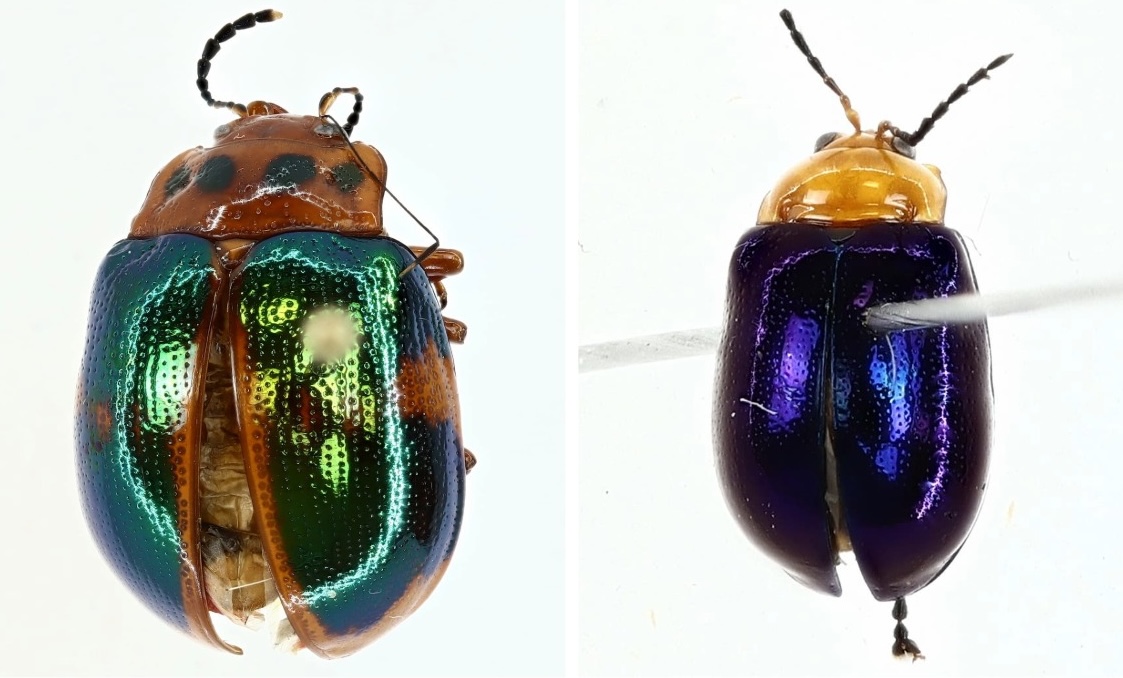
Deep in the cloud forest of Ecuador’s Andean Chocó, where mist settles over the canopy each morning, a fine mesh trap strung between two trees has spent a year quietly capturing something extraordinary: proof that the rainforest surrounding Mashpi Lodge holds far more life than anyone had documented. When scientists analyzed what those traps collected, they found more than 8,000 unique genetic units of insects and arachnids, a number that surpasses comparable records from Guanacaste, Costa Rica, and Barro Colorado, Panama, two of the most studied tropical ecosystems in the Americas.
The findings, published in Scientific Data, come from a study led by Ecuador’s National Institute of Biodiversity (INABIO), the country’s public research institution dedicated to documenting and protecting its biodiversity. For travelers, the discovery highlights what has made Mashpi Lodge a special destination since it opened in 2012: a stay here places guests inside a working scientific frontier. The lodge’s regenerative tourism model channels guest visits directly into the conservation and research that made this discovery possible.
A Stay That Funds Discovery
The Mashpi-Tayra Reserve, a private protected area spanning more than 8,100 acres (3,300 hectares), sits where Ecuador’s Andean slopes meet the lowland Chocó rainforest, a transition zone of shifting elevations and microclimates that supports extraordinary levels of endemism. Guests explore this landscape each day through guided rainforest hikes, the open-air Dragonfly cable car, the Sky Bike, and Hummingbird Garden, all narrated by naturalist guides who connect what visitors see to the active research happening around them.
The new insect and arachnid data comes from the Global Malaise Trap Program, an international initiative run by the Center for Biodiversity Genomics at the University of Guelph (Canada) that uses DNA barcoding to track how arthropod communities shift over time. Specimens collected at Mashpi were processed using this standardized method, and the resulting genetic records are now publicly viewable through the Barcode of Life Data Systems platform.
“For those of us who work at Mashpi every day, this is proof that every protected corner of the forest harbors extraordinary biodiversity that we are only beginning to understand and document,” said Mateo Roldán, Research and Biology Director at Mashpi Lodge.
Where Guests Become Part of the Science
Since opening, Mashpi Lodge has built a resident team of biologists and a network of academic partnerships that have turned the reserve into one of the most active field stations in Ecuador’s Chocó region, contributing to 26 species new to science and more than 70 peer-reviewed publications. Guests staying at the 24-room lodge visit the on-site laboratory, Life Center and butterfly garden, join evening talks with the research team, and are welcome to accompany parabiologists on fieldwork that feeds directly into studies like this one.
A Forest Still Being Discovered